Source refillable metal camping electronic igniter for BBQ, Kitchen, Outdoor
Compare 30 listings for a refillable metal camping electronic igniter suitable for BBQ, kitchen, and outdoor use. Buyers can review specifications, customization options, and pricing details from verified manufacturers in China.
Key considerations
Products List


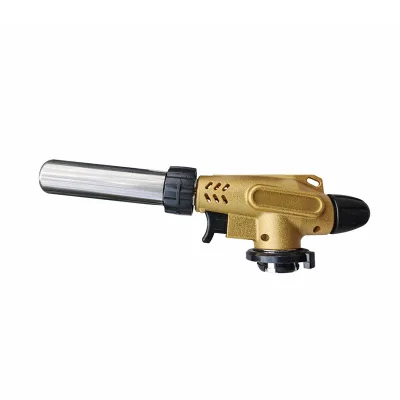
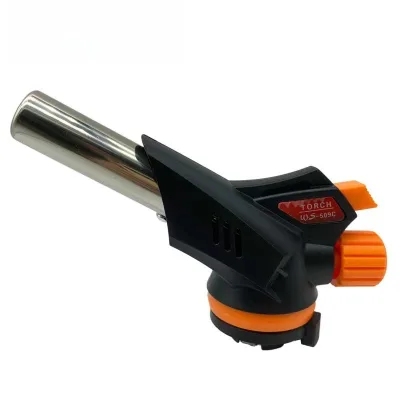
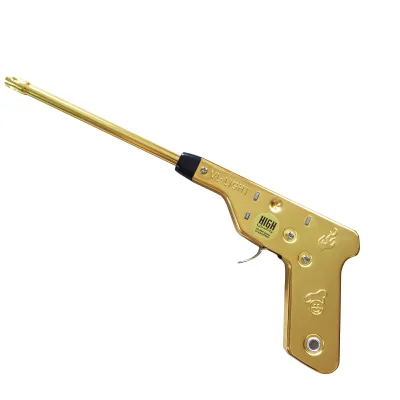


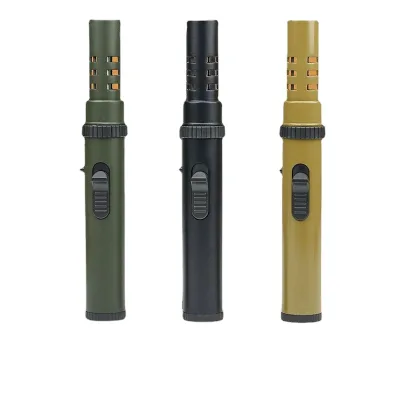

Comprehensive Sourcing Guide
Strategic Sourcing Guide for Refillable Metal Camping Electronic Igniters
Understanding the Product Category and Core Specifications
When sourcing a refillable metal camping electronic igniter, buyers must first distinguish between general electronic lighters and specialized equipment designed for outdoor and camping environments. The market offers a variety of forms, ranging from standard USB rechargeable arc lighters to more robust metal heating elements. Based on current industry observations, the core product category includes devices labeled as "USB Electric Lighter" or "Electric Lighter for Kitchen Candle," which often share functional similarities with camping igniters. These devices are characterized by their electronic ignition mechanism, eliminating the need for traditional flint or butane gas in the ignition phase, though some variants may utilize LPG or NG as a fuel source for the flame itself.
The physical construction of these units is a primary differentiator. High-quality options are frequently manufactured from aluminum or stainless steel, providing the necessary durability for camping conditions. For instance, specific product models in the current supply chain utilize aluminum bodies, while others are classified as "Stainless Steel Heating Equipment." The dimensions of these units vary significantly depending on the intended application. Observed specifications include sizes such as 262.5 cm and 25260mm, indicating a range from compact handheld tools to longer, wand-style devices suitable for reaching deep into fire pits or grills. Weight is another critical metric; observed data points to units weighing approximately 45g to 48g, which suggests a balance between portability and the structural integrity required for metal construction.
Buyers should also note the functional versatility of these devices. While some are marketed specifically for "BBQ, Kitchen," and "Indoor Outdoor" use, the underlying technology often supports a broader range of applications including hotels, commercial spaces, and general household use. The "360-Degree Rotation" feature observed in certain models is particularly relevant for camping scenarios where angles of ignition can be awkward. Furthermore, the "Rechargeable Arc Lighter" keyword highlights a specific subset of the market that relies on battery power for the arc generation, offering a wind-resistant advantage over traditional flint lighters.
Technical Compliance and Certification Verification
In the B2B procurement of electronic ignition devices, verifying compliance with international safety standards is non-negotiable. The electronic nature of these igniters introduces specific risks regarding electrical safety, battery management, and electromagnetic compatibility. Buyers must rigorously check for certifications that validate these safety parameters. Current market data indicates that reputable suppliers often provide products with "CE" and "FCC" certifications. The CE mark is essential for products entering the European market, confirming conformity with health, safety, and environmental protection standards. Similarly, the FCC certification is critical for devices sold in the United States, ensuring that the electronic emissions do not interfere with other communication devices.
When evaluating a potential supplier, procurement teams should request valid certification documents rather than relying solely on marketing claims. The presence of a "CE" or "FCC" label on the product or packaging is a baseline requirement, but the actual test reports and certificates issued by accredited third-party laboratories provide the true assurance of compliance. For products intended for camping or outdoor use, additional verification may be necessary regarding the battery type and its ability to withstand temperature fluctuations. While specific standards like "45g" or "48g" are observed as product standards in the supply chain, these appear to refer to weight specifications rather than safety compliance standards. Buyers should not assume that a specific weight implies a specific safety rating; instead, they must verify that the electrical components meet the relevant regional standards for portable electronic devices.
It is also important to distinguish between product standards and material standards. The "Stainless Steel Heating Equipment" classification suggests a focus on thermal durability, but this does not automatically equate to electrical safety compliance. Buyers must ensure that the metal casing provides adequate insulation and that the internal circuitry is protected against moisture and dust, which are common hazards in camping environments. The "Eco-Friendly" feature noted in some product descriptions may refer to the absence of disposable flint or the use of rechargeable batteries, but this should be verified against specific environmental regulations in the target market.
Cost Drivers and Pricing Dynamics
The pricing structure for refillable metal camping electronic igniters is influenced by several key variables, including material composition, customization level, and order volume. The observed price range in the market spans from $0.04 to $25 USD, a wide spectrum that reflects the diversity of product quality and feature sets. At the lower end of this range, buyers may encounter basic models with minimal features, potentially lacking advanced safety certifications or durable metal construction. Conversely, the higher price points likely correspond to units with premium materials like high-grade stainless steel, advanced electronic components, and comprehensive certification packages.
Material costs are a primary driver of the final price. Aluminum and stainless steel are more expensive than plastic alternatives, and the thickness and finish of the metal contribute significantly to the unit cost. Customization is another major factor. The supply chain indicates that "Customzied Logo Accepted" and "Product Customization" are available services. Implementing custom logos, specific color schemes (such as the observed "Black" color), or unique packaging (like "Carton Tray or Customized" or "Blister Card") incurs additional tooling and setup costs. These costs are often amortized over the order quantity, making them more significant for smaller orders.
Order volume plays a critical role in determining the unit price. The Minimum Order Quantity (MOQ) varies widely, with observed ranges from 1 to 300,000 units. Some suppliers offer an MOQ of 100 PCS, while others require 500 PCS or more. For buyers seeking to minimize upfront capital expenditure, finding a supplier with a lower MOQ is advantageous, even if the per-unit cost is slightly higher. However, for large-scale procurement, negotiating based on higher volumes can yield substantial savings. The "Sample Time" of 3-7 days is also a factor to consider in the overall cost of the procurement process, as it affects the speed of product validation and time-to-market.
Typical Applications and Market Fit
The versatility of refillable metal camping electronic igniters allows them to serve a broad spectrum of applications beyond just camping. While the core keyword focuses on camping, the observed usage data reveals that these devices are equally suited for "BBQ," "Kitchen," and "Indoor Outdoor" environments. This multifunctionality makes them attractive to a diverse range of B2B buyers, from outdoor gear retailers to hospitality suppliers. In the camping sector, the wind-resistant nature of electric arc lighters is a significant advantage, as traditional flint lighters often fail in windy conditions.
In the hospitality and commercial sectors, these igniters are used in hotels and commercial establishments for lighting candles, grills, and fire pits. The "Stainless Steel Heating Equipment" classification suggests that some models are designed for more industrial or commercial-grade applications, where durability and frequent use are paramount. The "Easy to Install" feature noted in product attributes indicates that these devices can be integrated into larger heating systems or used as standalone tools. The "Perfect Match" description implies that these products are widely used and have a proven track record in various settings.
The target markets for these products are primarily the USA and Europe, as indicated by the "Hot Issue Market" data. This suggests that the design and certification of these products are aligned with the expectations and regulatory requirements of these regions. Buyers targeting these markets should ensure that the products they source meet the specific cultural and functional expectations of consumers in these areas, such as the preference for sleek designs and robust performance. The "Gas Source: LPG/Ng" attribute indicates that some models are compatible with standard gas canisters, expanding their utility in camping and outdoor cooking scenarios.
Supplier Evaluation and Selection Criteria
Selecting the right supplier for refillable metal camping electronic igniters requires a thorough evaluation of their capabilities, reliability, and alignment with buyer requirements. The first step is to verify the supplier's origin and manufacturing capacity. The observed data points to "Jiangsu, China" and "China" as common origins, indicating a concentration of manufacturing in this region. Buyers should assess the supplier's ability to handle the required order volumes, given the wide MOQ range from 1 to 300,000 units. A supplier with a flexible MOQ policy may be better suited for startups or those testing the market, while a supplier with high-volume capacity is essential for large-scale distributors.
Quality assurance is another critical criterion. Buyers should inquire about the supplier's quality control processes, including in-line inspections and final product testing. The "Produced by Professional Technical Personnel" attribute suggests that skilled labor is involved in the manufacturing process, which is a positive indicator of quality. However, buyers should request specific details on the quality control protocols, such as the frequency of testing and the criteria for passing or failing a batch. The availability of "Customization" services is also a key differentiator. Suppliers that offer "Product Customization" and "Customzied Logo" options demonstrate a higher level of flexibility and customer service.
Lead times and sample availability are practical considerations that can impact the procurement timeline. The observed "Sample Time" of 3-7 days is a standard benchmark, but buyers should confirm the actual lead time for production orders. Delays in sample approval or production can disrupt the supply chain, so clear communication regarding timelines is essential. Additionally, buyers should evaluate the supplier's packaging capabilities, as options range from "Carton Tray" to "Blister Card" and "Pallet/Carton/Wooden Box/Poly Bag." The right packaging ensures that the products arrive in perfect condition and are ready for retail display.
Quality Control and Long-Term Procurement Strategy
Implementing a robust quality control strategy is essential for maintaining the integrity of the supply chain and ensuring customer satisfaction. Buyers should establish clear quality standards that align with the product specifications, such as weight (45g-48g), dimensions (262.5 cm, 25260mm), and material composition (Aluminum, Stainless Steel). Regular audits and inspections should be conducted to verify that the products meet these specifications. For electronic components, testing for electrical safety, battery performance, and arc functionality is crucial. Buyers should also verify that the "CE" and "FCC" certifications are valid and up-to-date for each production batch.
Long-term procurement considerations involve building a sustainable relationship with suppliers who can consistently deliver high-quality products. This includes negotiating favorable terms for customization, ensuring a steady supply of raw materials, and maintaining open lines of communication. The "Service: Customizable" attribute suggests that suppliers are willing to adapt to changing buyer needs, which is a valuable trait for long-term partnerships. Buyers should also consider the environmental impact of their procurement decisions, looking for suppliers who prioritize "Eco-Friendly" practices and sustainable manufacturing processes.
Finally, buyers should plan for scalability and market responsiveness. The wide range of observed MOQs and the availability of customization options indicate that the market is dynamic and responsive to changing consumer demands. By maintaining a flexible procurement strategy, buyers can adapt to shifts in market trends, such as the increasing demand for rechargeable and wind-resistant ignition devices. Regular review of supplier performance and market data will help buyers make informed decisions and maintain a competitive edge in the B2B procurement landscape.
Summary of Key Product Attributes
To facilitate quick reference and comparison, the following table summarizes the key attributes observed in the current supply chain for refillable metal camping electronic igniters. This data serves as a baseline for buyers to evaluate potential suppliers and products.
| Attribute Category | Observed Values / Options |
|---|---|
| Product Type | USB Electric Lighter, Electric Lighter for Kitchen Candle, Stainless Steel Heating Equipment |
| Material | Aluminum, Stainless Steel |
| Weight | 45g, 48g |
| Dimensions | 262.5 Cm, 25260mm, 2833cm |
| Certifications | CE, FCC |
| Customization | Logo, Color (Black), Packing (Carton, Blister, Pallet) |
| MOQ Range | 1 to 300,000 PCS (Common: 100, 500) |
| Applications | BBQ, Kitchen, Indoor/Outdoor, Camping, Hotel, Commercial |
| Features | Rechargeable, 360-Degree Rotation, Eco-Friendly, Wind Resistant |
| Origin | Jiangsu, China, China |
| Sample Time | 3-7 Days |
This structured overview provides a comprehensive foundation for buyers to navigate the complex landscape of refillable metal camping electronic igniters, ensuring that procurement decisions are grounded in verified data and strategic analysis.
FAQs
Can I customize the logo on the lighter?
Yes, customized logos are accepted for these electronic lighters. Suppliers offer product customization services to meet specific branding needs, allowing buyers to add unique designs to the device surface.
What certifications do these lighters have?
Reputable models often carry CE and FCC certifications to ensure safety compliance. These marks verify that the electronic components meet international standards for health, safety, and electromagnetic compatibility in target markets.
What is the minimum order quantity required?
The minimum order quantity varies by supplier, with observed values starting at 100 or 500 pieces. Buyers should check specific supplier policies as ranges can extend up to 300,000 units depending on customization.
How long does it take to get a sample?
Sample preparation typically takes between 3 to 7 days for most suppliers. This timeline allows for quick product validation before committing to larger production orders or custom packaging arrangements.
Which materials are used for the lighter body?
Products are commonly constructed from aluminum or stainless steel for durability. These materials provide the necessary structural integrity for outdoor use while maintaining a lightweight profile suitable for camping and kitchen applications.
Where are these products manufactured?
Manufacturing origins are primarily located in Jiangsu, China, with some general references to China. This region hosts suppliers capable of producing electronic lighters with professional technical personnel and established export channels.
What is the price range for these items?
Market prices for these lighters range from 0.04 to 25 USD per unit. The final cost depends on material quality, certification levels, customization requirements, and the specific order volume negotiated with the supplier.